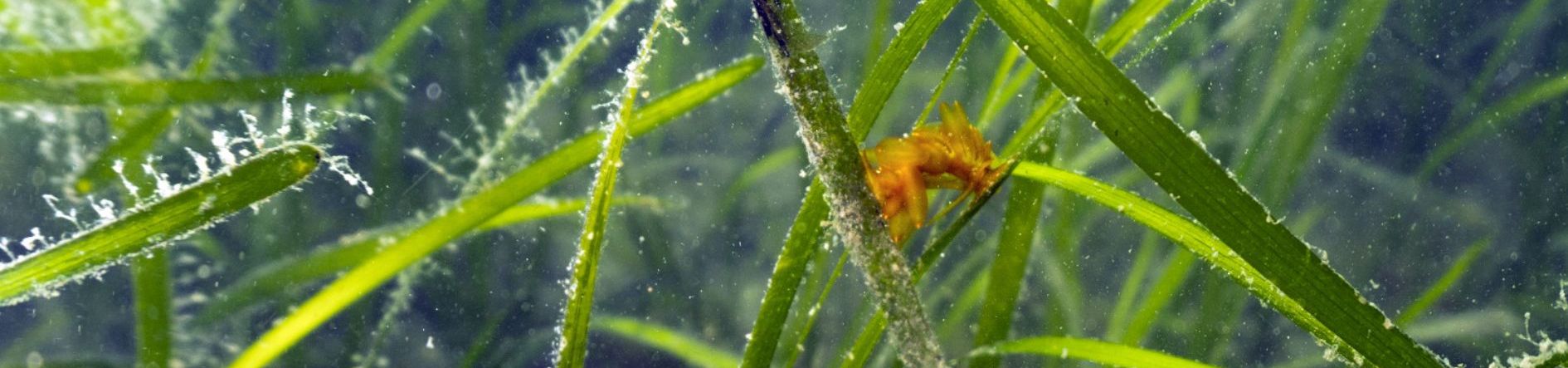
Seagrass Meadows
When you look out from our restaurant across the Salcombe Estuary, there is more than meets the eye. Beneath the surface lies one of Devon’s most extraordinary and increasingly important natural habitats: seagrass meadows. These underwater meadows play a crucial role in keeping our local waters healthy, supporting rich and diverse marine wildlife communities and protecting our coastline for future generations.
At Seagrass Salcombe, these meadows are part of our identity. They are the inspiration behind our name and a reminder of how lucky we are to be rooted in one of the most ecologically rich estuaries in the UK.
Why Seagrass Meadows Matter
Seagrass meadows are often called the rainforests of the sea and for good reason:
They capture carbon faster than tropical forests.
Seagrass meadows are one of the planet’s most efficient natural carbon stores, helping fight climate change right here on our coastline. Seagrass plants are very efficient in their photosynthesis trapping their own CO2 but the meadows also help trap organic detritus from the water which is stored within the root layer.
https://www.projectseagrass.org/
They are vital nursery grounds for marine life.
Juvenile fish, cuttlefish, seahorses and countless tiny creatures shelter between the blades. These meadows support both local biodiversity and the wider health of our seas.
https://www.mcsuk.org/ocean-emergency/marine-protected-areas/recovery-projects/seagrass/
They stabilise the seabed and improve water quality.
Seagrasses are true flowering plants (not seaweeds) and their meadows help reduce erosion, trap sediment and help keep the estuary water beautifully clear.
The Challenges Facing Salcombe’s Seagrass
Our estuary supports three different forms of seagrass, two 'dwarf seagrasses' on the upper estuary mudflats and the subtidal 'common seagrass' here. Despite their resilience, our estuary’s seagrass meadows face ongoing pressures:
- Green blanket weed growth - due to high nutrient levels.
- Pacific oysters that can crowd out native species.
- A new invasive seaweed, with its threat level still being assessed.
- Busy boating areas where anchoring and propeller disturbance damage fragile beds.
(The blanket weed, the Pacific oysters & 'new' worm wart weed will only affect the dwarf seagrasses.)
That is why scientists, local groups and national organisations are working together to protect and restore them. Salcombe is part of England’s largest seagrass restoration project, a major step toward securing a healthier coastline.
https://oceanconservationtrust.org/success-for-englands-largest-seagrass-restoration-project/
Why It Matters to Us at Seagrass Salcombe
Our name is more than an aesthetic choice, it is a tribute.
We hope to inspire appreciation for the ecosystems that make our estuary so extraordinary. Whether you are dining with us, strolling the shoreline or paddling across the water, you are part of a seascape that deserves protection.