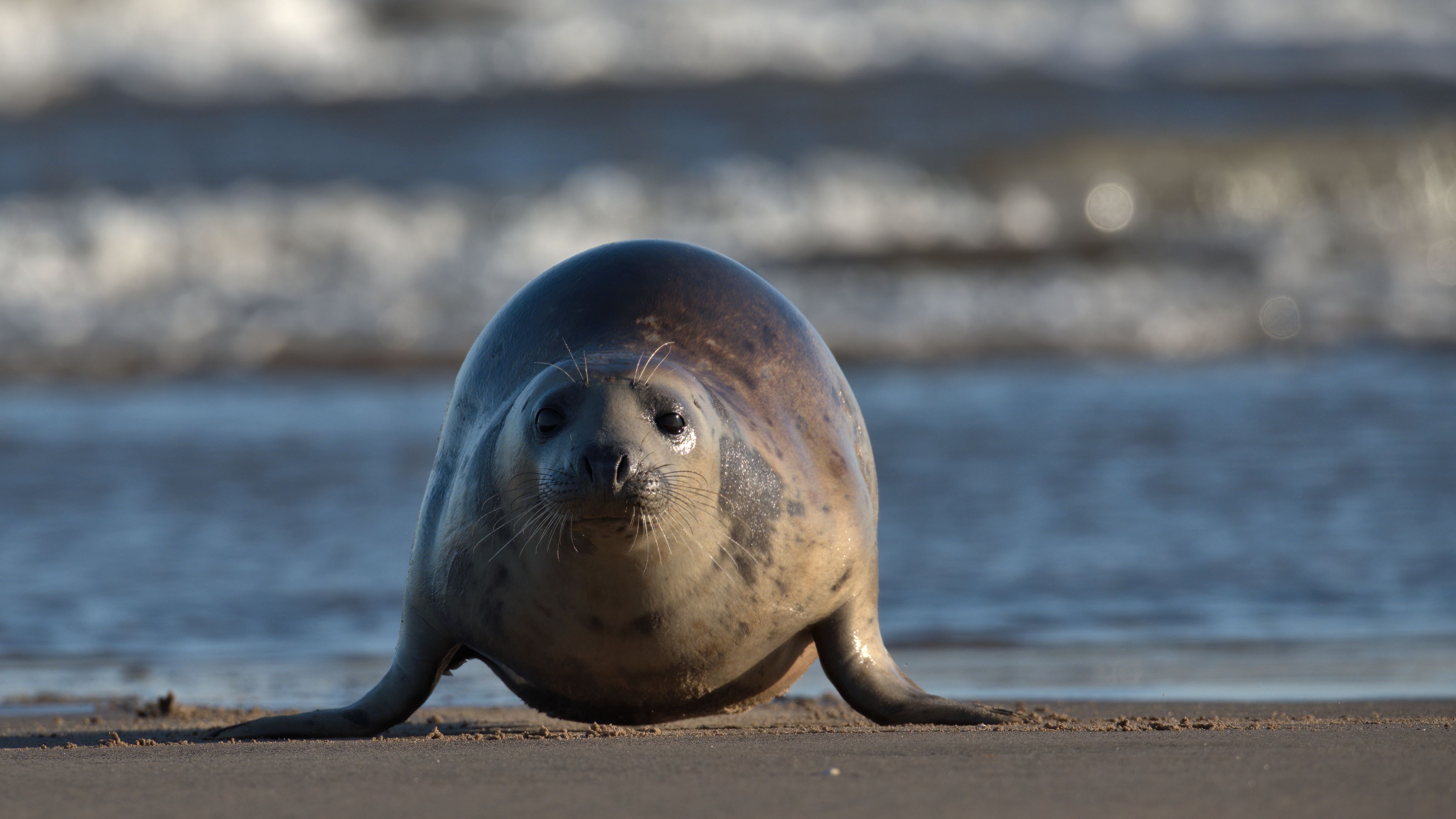
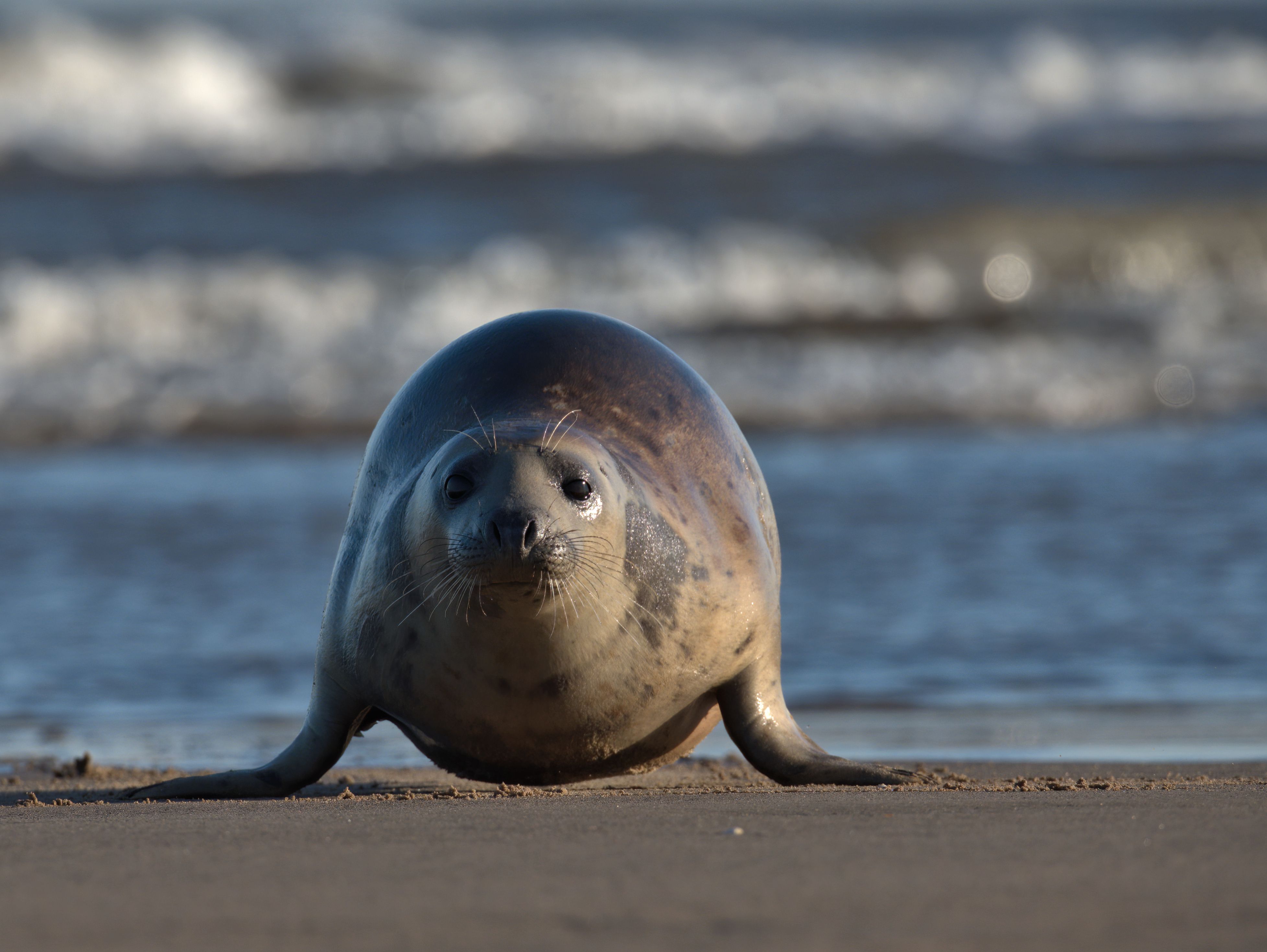
Grey seal on a sandy beach with waves in the background
Scroll Scroll

What to do if you spot a seal

Seals at South Sands

While encounters with wildlife feel special (and they truly are), they also come with a responsibility. Seals regularly come ashore to rest, digest food or in the case of pups, simply gather strength. What may look like distress is often perfectly natural behaviour and knowing how to respond makes all the difference.


Grey seal on a sandy beach with waves in the background
Spotted a Seal?

If you are lucky enough to encounter a seal at South Sands, a few simple actions can help protect the animal (and you!):

  • Stay at least 100 meters away. Seals can feel threatened if apporoched and may retreat into the water before they are ready.
  • Keep dogs on leads. Even the calmest dog can cause distress to a resting seal.
  • Keep noise to a minimum. Avoid shouting, clapping or trying to draw attention. Quiet observation is best.
  • Don't touch or feed. Seals are wild animals and should never be handled or fed.
  • Call the experts. If you are concerned about a seal's wellbeing, contact BDMLR rather than intervening yourself. 

BDMLR Hotline: 01825 765546 - You will receive further advice over the phone and may dispatch their trained Marine Mammal Medics to attend.
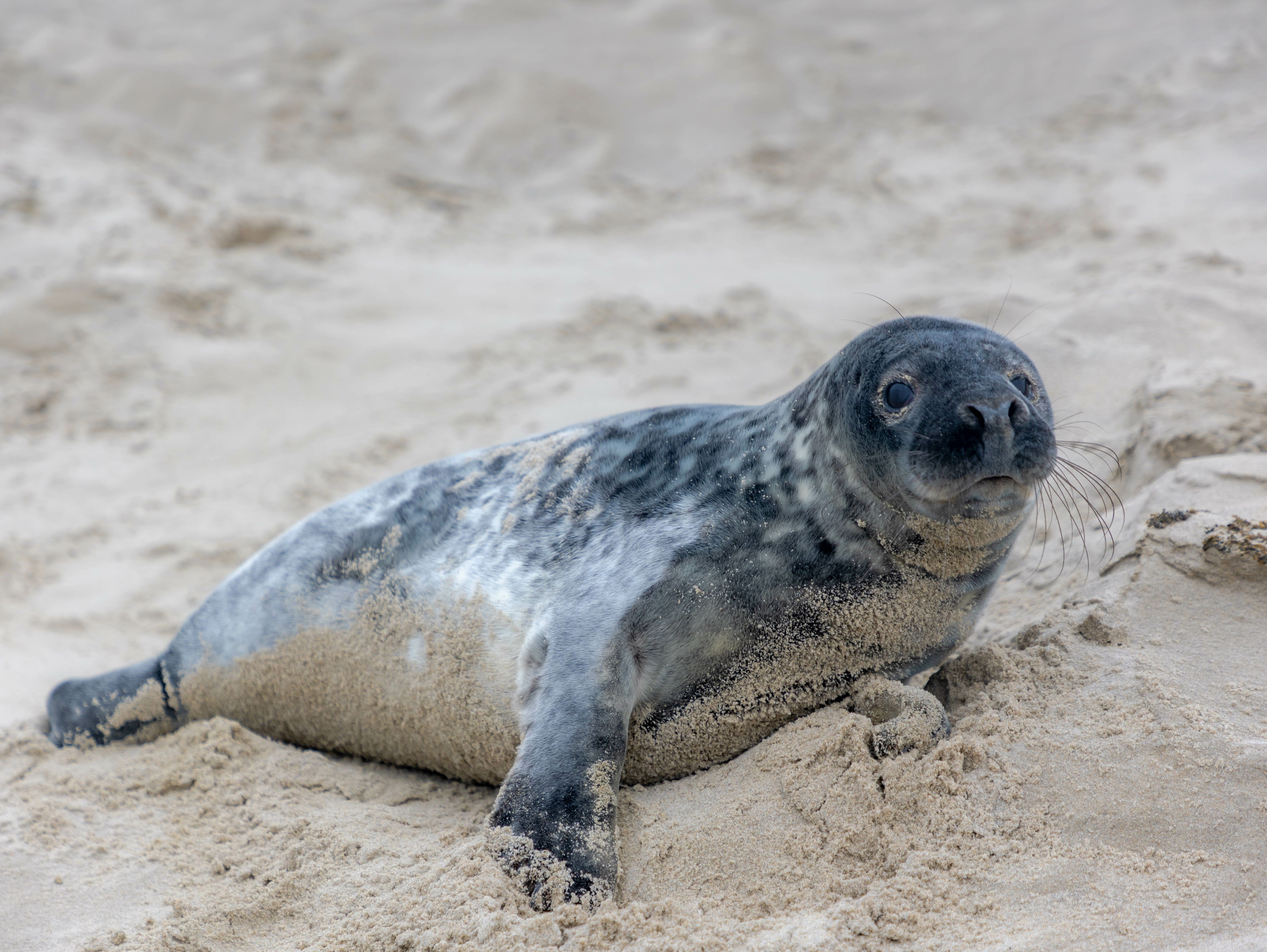
Grey seal lying on a sandy beach
Seals at South Sands

With World Ocean Day yesterday and after a little visitor at South Sands this weekend, we felt it was important to share a gentle reminder about giving marine wildlife the space and care it needs.

A young grey seal pup was spotted resting on the shore and while encounters like this are very special, they are best observed from a distance. The pup was monitored from a safe distance before the wonderful volunteers at British Divers Marine Life Rescue (BDMLR) arrived, who made sure the pup received expert care.